
Women and Fitness Reinvented: Redefining Female Strength
 Mihaela FitzpatrickNovember 5, 20253 Mins read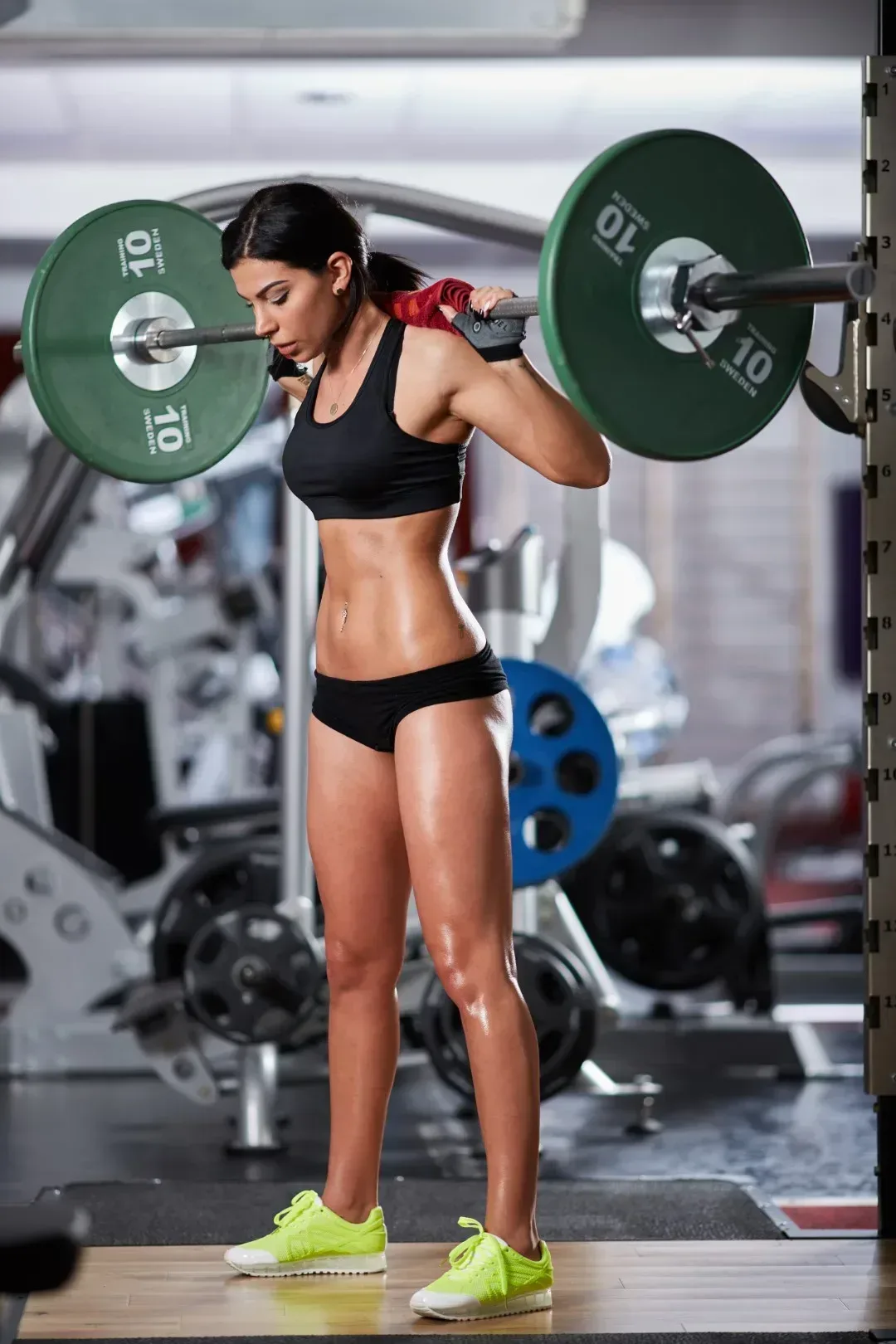
In recent years, the world of women’s fitness has gone through a major transformation. Where the emphasis used to be on losing weight and achieving the slimmest possible figure, today women are choosing to focus on strength, health and balance. The new era of women’s fitness is no longer about becoming “smaller”, but about becoming stronger – physically, mentally and emotionally.
A shift in fitness goals
Current trends show a clear shift: women are no longer chasing the bodily perfection imposed by unrealistic aesthetic standards, but authentic well-being. Rachel Vaziralli, Director of Fitness Design at Orangetheory Fitness, explains that strength training is increasingly popular among women and will continue to grow in 2025. More and more women are choosing heavy weights, abandoning the idea that “light weights” are the only suitable option for them.
This change in mindset is the result of a better understanding of the benefits of developed muscle: strength, a more active metabolism, hormonal balance and general well-being. In addition, more and more programmes are adapted for women going through perimenopause or menopause, responding to specific needs relating to hormonal health and vitality.
Movement for strength and longevity
Dana M. Anello, a fitness consultant and founder of the Jersey Women Strong community, observes a significant increase in interest in movement, mobility and longevity, especially among women aged 40 to 60. “Women are increasingly focused on feeling good, on moving freely and on enjoying their lives at their own pace,” she says.
This orientation towards strength and balance comes against the backdrop of social movements such as “body positivity” and “body acceptance”, which have encouraged women to redefine their relationship with their own bodies. The emphasis is no longer on the aesthetic ideal, but on mental health, sleep quality, stress management and personal performance.
The workouts defining the new era of women’s fitness
Small-group strength classes are becoming increasingly popular, because they offer individual attention and support from trainers. More and more women are giving up intense HIIT sessions five times a week and choosing a balance between endurance, strength and recovery.
One example of a workout on the rise is “rucking” – walking with a weighted vest. It is an activity that combines strength, endurance and connection with nature, and can be practised alongside other people regardless of fitness level. This approach favours community and mutual support – essential elements in maintaining motivation.
How technology is changing the way we train
Technological progress has revolutionised the world of fitness. Today we can monitor heart rate, sleep quality, menstrual cycle or stress levels, all directly from an app. Modern gyms such as Orangetheory integrate personalised algorithms and real-time monitoring, giving participants a clear picture of their progress. Workouts thus become more effective and more motivating, based on real, personalised data.
Even simply tracking daily steps can have a significant impact on awareness of your own activity level. Specialists recommend between 10,000 and 12,000 steps a day for maintaining optimal health, depending on lifestyle and goals.
Balance – the key to a healthy lifestyle
Although trends change constantly, one principle remains valid: balance. Rachel Vaziralli emphasises that although strength training is essential, cardio exercise, mobility and flexibility must not be neglected. A strong body also needs a healthy heart, conscious breathing and enough rest.
Nutrition, sleep and stress management play a crucial role in completing any fitness programme. Even the most intense workout will not show results if the body is not nourished, rested and emotionally supported. For women who are just starting out, the message is clear: it is never too late to rediscover your inner strength.
Conclusion
The new era of women’s fitness is about power, balance and acceptance. Women around the world are redefining what it means to be fit – not by their waist measurement, but by the power to feel good in their own bodies. This is the generation that no longer seeks to become “smaller”, but stronger, more confident and more connected to itself.
Source
Forbes – “Stronger, Not Smaller: The New Era of Women’s Fitness” (https://www.forbes.com/sites/jesscording/2024/11/11/stronger-not-smaller-the-new-era-of-womens-fitness/)












Related Articles
The AI-Powered Fitness Revolution
Once limited to bulky treadmills and laminated workout plans, the fitness industry...

What to Wear Hiking in Spring
As winter’s cold grip begins to loosen and the world comes alive...
7 Ways Wearable Technology Can Help You Reach Your Health Goals
Whether you are motivated to improve your health, managing a newly diagnosed...



The Effects of Stress on the Body
Stress affects all the body’s systems, including the musculoskeletal, respiratory, cardiovascular, endocrine,...

Leave a comment