
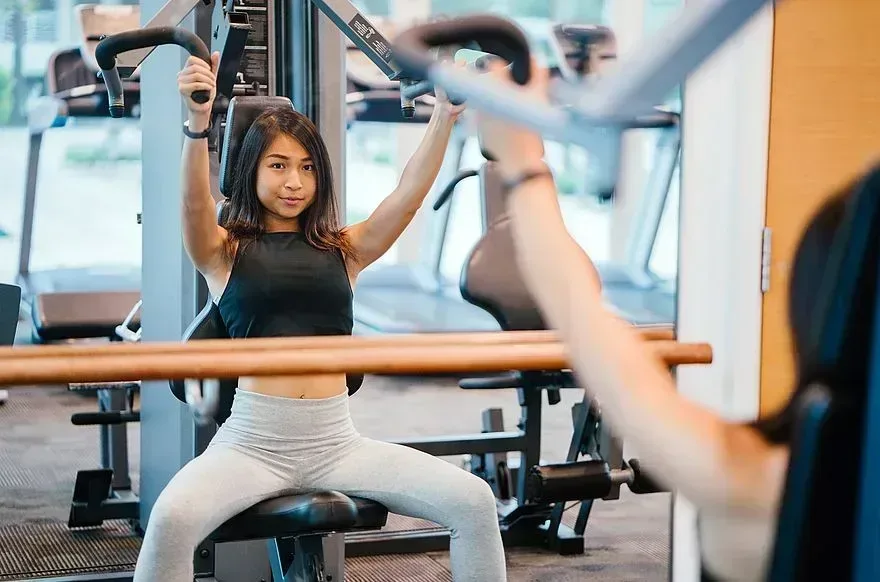
Once limited to bulky treadmills and laminated workout plans, the fitness industry is going through a quiet revolution — powered by artificial intelligence. From wearable technology to personalised coaching bots, AI is no longer a futuristic fantasy; it is the personal trainer in your pocket, the nutritionist in your app and the physiotherapist monitoring your shoulder press.
In the US, Canada and the UK, where gym memberships continue to grow despite economic pressure, consumers are increasingly turning to smart solutions to maximise their results. But what does AI actually do in a fitness context? And are we embracing innovation — or outsourcing our intuition?
AI coaching and personalised workouts
The days of generic training programmes are gone. Apps such as Freeletics, Future and Fitbod analyse your performance data, fatigue levels and even your mood in order to adjust workouts in real time. These systems use machine learning to optimise intensity, volume and recovery time based on your feedback and history.
The result? Hyper-personalised routines that evolve alongside you — offering progression without guesswork. Whether you are a beginner or preparing for a triathlon, your “algorithmic coach” is available 24/7, tracking reps and analysing metrics no human could monitor continuously.
Wearable data – real-time optimisation
Smartwatches and fitness rings no longer just count steps. Devices such as WHOOP and the Oura Ring collect continuous biometric data: heart rate variability (HRV), sleep cycles, skin temperature, blood oxygen levels and more. Through AI, this huge volume of data is turned into practical recommendations.
Imagine waking up and receiving the message: “Train lightly today — your HRV has dropped and your REM sleep was reduced.” These suggestions, based on your actual physiological state, help prevent overtraining and optimise recovery. It is like having a sports scientist whispering in your ear while you tie your laces.
Predictive recovery and injury prevention
AI can now predict when you are close to an injury — both figuratively and literally. Platforms such as SpartanTrack and Tonal integrate data to anticipate injury risk based on performance drops, movement asymmetries or postural deviations detected on video.
In elite sport, this kind of predictive modelling is standard. Now it is reaching mainstream fitness too. Whether you are lifting weights in Toronto or running trails in Wales, AI can flag when to reduce intensity, stretch or get more sleep.
From boutique studios to smart gyms – a shifting market
In the US, chains such as Equinox and Barry’s are integrating AI to improve the member experience — from optimising bookings to feedback on exercise technique. In the UK, start-ups such as JAXJOX and Fiit are blurring the line between boutique training and home automation.
Canada is keeping pace: hybrid studios in Vancouver offer AI-based mobility assessments and recovery protocols, with biometric data from wearables guiding the flow of the workout. The result is a gym model that is less instructor-centred and more data-driven.
Ethical and psychological implications
Not every rep comes without resistance. Is it healthy to outsource so much decision-making to machines? Critics warn about algorithm dependency, data privacy issues and the risk of reducing the human experience to mere numbers. Motivation is not only mathematics.
In the UK, debates about integrating fitness tracking into the NHS raise questions about surveillance and insurance incentives. In the US, fitness influencers increasingly sell “AI-backed” plans without transparency about how the algorithms actually work.
Will AI replace the personal trainer?
Short answer: no. Long answer: not entirely. The best results come from synergy — AI handles the metrics and pattern analysis, while human coaches provide emotion, context and nuance. A hybrid model is taking shape: trainers equipped with AI tools, delivering smarter services and better results.
This model is already present in elite sport — the NBA, the UFC, Olympic programmes — but it is becoming accessible to ordinary gym users too.
What it means for everyday users
If you are over 40, juggling work, children and an old shoulder injury, AI can be your advantage. It will not shout “one more rep!”, but it can tell you when that rep is a bad idea. For casual practitioners, the major benefit is intelligent autonomy: personalised plans, adapted recovery and feedback relevant to real life.
The future is personalised – but not without questions
AI will not make you train. But it can help you train better. As long as we remain critical, informed and human, AI can raise the level of how we move, recover and progress. It is not about replacing the coach, but about supporting the athlete.
North America is already lifting weights with AI
In the United States, AI-based fitness is not just a trend — it is a movement. According to a 2025 Talker Research survey, over 35% of Americans use AI tools for workout planning, performance monitoring or motivation management.
Companies such as AMP have installed more than 10,000 AI-powered strength machines across the US. These devices offer live feedback, adaptive plans and subscription-based progress models. In Seattle, Volt Athletics provides AI-generated programmes for university teams, professional athletes and corporate wellness. Demand is not growing — it is accelerating.
Source: https://www.fitness.com/en/articles/how-ai-is-reshaping-the-fitness-industry

















Related Articles

What to Wear Hiking in Spring
As winter’s cold grip begins to loosen and the world comes alive...

7 Ways Wearable Technology Can Help You Reach Your Health Goals
Whether you are motivated to improve your health, managing a newly diagnosed...
5 Benefits of Resistance Bands That Will Turn You from Sceptic to Believer
After training at home for several months during the coronavirus pandemic, we...



Walking: Slim Your Waist and Improve Your Health
Physical activity does not have to be complicated. A simple habit, such...

Leave a comment