

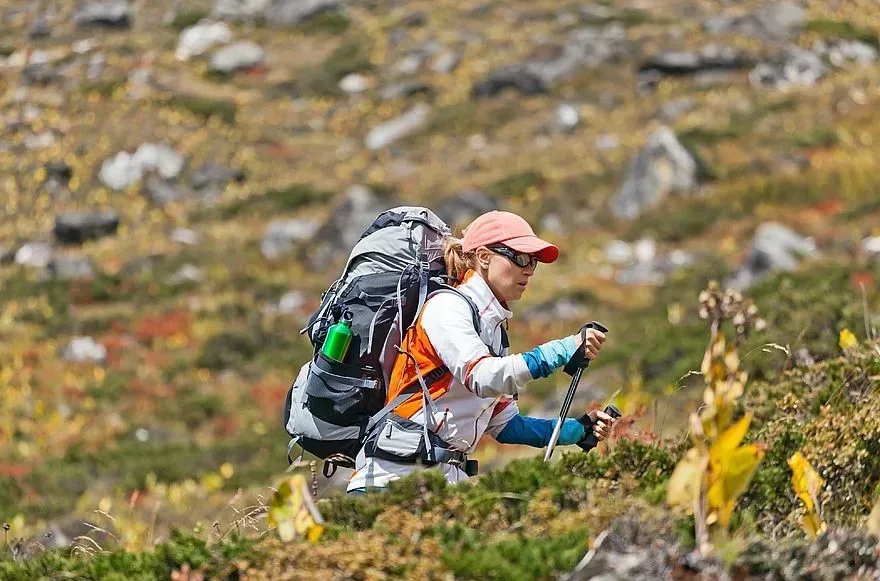
As winter’s cold grip begins to loosen and the world comes alive with the colours of blossoming flowers and fresh greenery, spring becomes the perfect season for mountain adventures. However, the unpredictable nature of spring weather demands care when choosing what to wear for your outings.
Spring hikes come with a unique set of challenges, because temperatures can vary widely over the course of a day. It is not at all unusual to start a hike in the cold morning air and, a few hours later, find yourself enjoying warm afternoon sunshine. This fluctuation calls for a strategic approach to clothing, so that you stay comfortable and protected from the elements.
In this guide, we present the essentials for dressing correctly on spring hikes, so you can make the most of your time in nature while keeping comfort and safety first. We will explore clothing layers, discuss suitable footwear options and review accessories that can make an important difference on the trail.
Whether you are an experienced hiker or just starting out, knowing how to dress for hiking in spring is essential. It not only improves your comfort and enjoyment, but also supports your safety throughout the hike. So let us look at what to wear when hiking in spring.
Layering for changeable weather
One of the key principles when dressing for spring hiking is to use a layering system. This approach lets you adapt to changing weather conditions, adding or removing layers as needed for optimal comfort along the trail.
The layering system usually includes three levels: a base layer, a mid layer and an outer layer. Each layer has a specific role and contributes to regulating body temperature and managing moisture.
The base layer is your first line of defence against moisture and is designed to wick sweat away from the skin, keeping you dry and comfortable. Choose base layers made from moisture-wicking materials such as merino wool or synthetic fibres (polyester, nylon). These materials are excellent at moving moisture away from the skin, preventing that clammy or cold feeling when you start to sweat.
The mid layer provides insulation and helps retain warmth close to the body. Opt for lightweight, breathable materials such as fleece or down jackets. These have a very good warmth-to-weight ratio and can be packed away or removed easily when the temperature changes.
The outer layer, also called the shell, protects you from wind, rain and snow. Choose a waterproof, windproof but breathable jacket, so moisture can escape and you stay dry. Look for jackets with taped seams and adjustable cuffs and hoods for maximum protection.
Remember that on spring hikes the weather can change from one moment to the next, especially at higher altitudes. By layering, you adapt quickly: if it warms up, you remove a layer to avoid overheating; if it gets colder or windy, you add a layer to stay comfortable.
Layering also helps you avoid the common mistake of setting off in heavy, bulky clothing. Instead, you start with a lightweight base layer and gradually add as needed. That way you stay more comfortable and reduce the risk of sweating excessively, which can chill you later as your body temperature drops.
Base layer options
When choosing a base layer for spring hikes, prioritise fabrics that wick moisture and dry quickly. These materials will help you stay dry and comfortable even when you are sweating.
Merino wool is an excellent choice for a base layer. It has natural moisture-wicking properties and is known for its ability to regulate body temperature: it cools you when it is warm and warms you when it is cool. It is also naturally odour-resistant, which makes it ideal for multi-day hikes when you have no access to laundry facilities.
If you prefer synthetic materials, look for base layers made from polyester or nylon. They are lightweight, breathable and dry quickly. They suit spring well because they transfer moisture away from the skin, preventing that sweaty or cold sensation.
For colder spring conditions, you can choose a base layer with thermal or fleece lining. These add insulation and help keep you warm. Look for models with a neck zip or half-zip for better temperature regulation: unzip when it warms up and close it when you need extra warmth.
Choose a base layer with a close-to-body fit, for better moisture transfer and efficient temperature regulation. Avoid base layers that are too tight or too loose, as they can restrict movement or reduce the effectiveness of moisture management.
For longer hikes, take spare base layers so you have a clean, dry option to change into. Carry a lightweight, compact dry bag in which to store used clothing, separate from your clean gear.
Ultimately, the base layer is the foundation of your comfort on spring hikes. Choosing the right material and fit will help you stay dry and comfortable throughout your adventure.
Mid layer options
When choosing a mid layer for spring hikes, versatility is essential. You need a layer that provides insulation on colder days but stays lightweight and can be removed quickly as the temperature rises or the effort intensifies.
Fleece jackets are a popular choice for the mid layer. They are lightweight, breathable and very good at retaining warmth close to the body. Choose a fleece with a good warmth-to-weight ratio and consider zipped pockets for practicality. Fleece dries quickly, which makes it well suited to capricious spring weather.
Another option is a down jacket. Down insulation offers excellent warmth while remaining lightweight and compressible. Look for versions with hydrophobic (water-resistant) down or synthetic insulation, as these retain their insulating properties better in damp conditions. Down jackets are ideal for cold mornings or high-altitude trails where the temperature can drop sharply.
Softshell jackets can also work as a mid layer on spring hikes. They offer a good balance of insulation, breathability and moisture resistance. They are usually stretchy and allow freedom of movement, making them suitable for more active hikes or for layering under a waterproof jacket.
If you want a versatile option that takes up little space, you can choose a hybrid jacket that combines several materials. These models often include fleece, insulated zones and breathable panels, for a good balance between warmth and ventilation depending on the area of the body.
The key to a good mid layer is the balance between warmth and breathability. Choose insulation suited to the expected temperatures, but which also allows moisture management and ventilation. Layering a mid layer over your base layer and under your shell gives you flexibility in changeable weather.
Whichever option you choose, aim for a comfortable fit that allows easy movement. Check the length so that it provides coverage without limiting your mobility. Adjustable details such as the hood, cuffs and hem help you personalise the fit and stay protected.
With the right mid layer, you will stay warm, comfortable and ready to adapt to weather changes on your spring hikes.
Outer layer options
When choosing an outer layer for spring hikes, protection against wind, rain and snow is the priority. Look for waterproof and windproof jackets that also offer breathability, so you avoid overheating.
A waterproof shell jacket is essential for any spring hike. Choose models made from waterproof materials (Gore-Tex type or similar technologies) that offer reliable protection against rain and snow. Make sure it has taped seams so water cannot get in through the stitching. Details such as an adjustable hood, cuffs and hem are also important for a snug, secure fit.
Consider the weight of the jacket too. Look for lightweight versions that pack away quickly, so you can keep it in your rucksack until you need it. Some models come with their own compression sack or fold down very compactly.
When choosing an outer layer, also look at the ventilation options: underarm zips (pit zips) or vents that allow air to circulate, helping regulate temperature and reduce sweating. This becomes especially important when it warms up or on demanding climbs.
If you anticipate windy conditions, choose an outer layer with good wind protection. Windproof jackets block cold draughts and help you stay comfortable. A high collar and a full-length zip offer additional protection.
Some jackets include extra details such as hand-warmer pockets, a chest pocket for quick access to small items, or a detachable or concealed hood. Assess what you need and what you prefer.
Try several models before deciding. Check whether the jacket allows freedom of movement and whether there is room for layers underneath. Consider the length too: ideally, it should protect your lower back from moisture when you sit down or bend over.
Investing in a quality waterproof and windproof outer layer is essential to staying dry, comfortable and protected on spring hikes.
Choosing the right bottoms
For spring hikes, comfort, mobility and weather protection are the key criteria. Your choice of trousers or shorts can greatly influence your experience on the trail.
For lower temperatures or variable weather, opt for hiking trousers. Look for models made from lightweight, quick-drying materials such as nylon or polyester. These are durable, breathable and wick moisture, keeping you comfortable throughout the hike.
Choose trousers with adjustable details, such as a drawcord or elasticated waist, for a secure, personalised fit. This is especially useful if you wear a base layer underneath or prefer a looser or tighter fit depending on the terrain.
Convertible trousers are an excellent choice for spring hikes where you pass through different temperatures. They have zip-off legs, so you can quickly turn them into shorts when it warms up or when you want more ventilation during intense activity.
If you prefer a lighter, more breathable option or expect higher temperatures, hiking shorts can be ideal. Look for quick-dry and moisture-wicking materials. Details such as reinforced seams or stretch panels increase flexibility and durability, especially on more technical trails.
Whether you choose trousers or shorts, prioritise freedom of movement. Look for models with a gusseted crotch or pre-shaped (articulated) knees, as these improve mobility and reduce restriction when you climb, descend or step over obstacles.
Consider length too: trousers offer protection against vegetation and insects, while shorts ventilate better and offer freedom. Choose according to your comfort and the conditions of the hike.
Before a longer hike, test your chosen bottoms on short walks to check the fit, comfort and functionality on the terrain.
By choosing the right trousers or shorts for spring, you will have optimal comfort, mobility and protection on your explorations.
Footwear options for spring hiking
Choosing the right footwear is crucial for comfort, stability and protection. In spring, trails can include mud, rocks, wet sections and sometimes snow. Here are a few options:
- Hiking boots: they offer good ankle support, stability and protection. Look for sturdy boots with water-resistant or waterproof materials and a sole profile that provides grip on slippery surfaces. Opt for breathable linings to avoid excessive sweating.
- Trail running shoes: for less technical terrain, or if you prefer a lighter option, trail shoes are a good choice. They offer flexibility, cushioning and reduced weight, and are comfortable over long distances. Look for a lugged sole for grip and water-resistant or quick-drying materials.
- Approach shoes: a versatile option between boots and climbing shoes. They offer toe protection, support and excellent grip on rocky or uneven terrain. They are also suitable for scrambling sections or more technical routes.
Whichever option you choose, prioritise comfort and fit. Try several models and consider width, arch support and overall feel. Bear in mind that your feet can swell on long hikes, so leave enough room for your toes without feeling cramped.
Wear moisture-wicking socks made from merino or synthetic blends. These keep your feet drier and reduce the risk of blisters. Take spare pairs so you can change if needed.
If you expect wet conditions or stream crossings, consider gaiters. These are protective coverings over your lower leg and the top of your footwear, which stop water, mud and small stones getting into your shoes or boots.
Don’t forget to break your footwear in before long hikes: use it on shorter walks so it moulds to your foot and reduces the risk of discomfort or blisters.
The right footwear is essential for an enjoyable and safe spring hike. With the right choice, you will cover the trails with confidence and enjoy the adventure to the full.
Accessories for spring hiking
Beyond clothing and footwear, there are accessories that can significantly increase your comfort, protection and experience on the trail. Here are some of the most useful:
- Hiking hat or cap: a wide-brimmed hat or a cap with neck protection shields you from the sun’s rays and reduces UV exposure. It also provides shade and helps you cool down.
- Sunglasses: choose glasses with UV protection that reduce glare and protect your eyes. Look for a model suited to outdoor activities, with a comfortable fit and clear vision.
- Trekking poles: they provide stability and support on uneven terrain. They help reduce pressure on the knees, improve balance and distribute weight more evenly, reducing the risk of injury.
- Head torch: even on day hikes, it is wise to have a head torch among your essentials. It helps if the hike runs into the evening or if you encounter unexpected low-light conditions.
- Insect repellent: insects (mosquitoes, ticks) appear frequently in spring. Protect yourself by applying repellent to exposed skin and clothing. Choose products with DEET or other recommended ingredients for effectiveness.
- First aid kit: carry a basic kit with bandages, antiseptic wipes, blister treatment and any medication you may need. Adapt the contents to your needs.
- Rain cover for your rucksack: if you expect rain, a waterproof (or water-resistant) cover protects your gear. Alternatively, use a waterproof liner or dry bags for important items.
- Navigation tools: depending on the route and your experience, take a map, compass or GPS so you stay on the right track. Study the route beforehand and keep a backup solution.
Pack these accessories in your rucksack alongside the essentials for the hike. Check the forecast and trail conditions before you set off, so you know which accessories you genuinely need.
By using the right accessories, you will be better protected, more comfortable and more prepared for whatever challenges may arise on your spring hikes.
Considerations for rainy weather
Spring hikes often mean unpredictable weather, including rain. Rain can add a particular charm to time in nature, but it is important to be prepared and take steps for comfort and safety. Here are a few aspects to consider:
- Waterproof gear: invest in waterproof or water-resistant outer layers, including a jacket and rain trousers. Look for Gore-Tex type materials or similar technologies and make sure they have taped seams.
- Rucksack protection: use a rain cover for your rucksack. If you don’t have one, you can use a waterproof liner or store your gear in dry bags.
- Waterproof footwear: choose waterproof boots or shoes to keep your feet dry. Gaiters can offer additional protection against water getting in at the ankle.
- Moisture-wicking clothing: choose moisture-wicking and quick-dry materials. Avoid cotton, as it retains water and can leave you damp and uncomfortable.
- Correct layering: start with a moisture-wicking base layer, add a mid layer for insulation and finish with a waterproof shell.
- Protecting electronics: keep your phone, camera and GPS in waterproof cases or water-resistant bags. Ziplock bags can be an additional layer of protection.
- Visibility: in rain, visibility drops. Wear bright colours or reflective elements so you are visible to other hikers or vehicles.
- Beware of slippery surfaces: wet trails can be very slippery. Slow down on steep or rocky sections and use trekking poles.
- Trail conditions: check for possible hazards (swollen rivers, flooded areas). Consult local authorities or park managers for warnings or closures.
- Monitor the forecast: follow weather updates and be ready to adjust your plan. It is better to postpone a hike than to put your safety at risk in severe conditions.
Always prioritise safety in rainy weather: be prepared, use common sense and make informed decisions based on the conditions you encounter. With the right gear, you can have a memorable experience even in the rain.
Tips for dressing comfortably and safely
Here are a few essential tips for dressing comfortably and safely on spring hikes:
- Check the weather: before you leave, consult the forecast for the area you are heading to. It will help you choose the right layers, footwear and additional gear.
- Dress in layers: layering allows you to adapt to changes and regulate your temperature. Start with a moisture-wicking base layer, add an insulating mid layer as needed and finish with a waterproof, windproof outer layer.
- Avoid cotton: cotton retains moisture and dries slowly, which can leave you damp and chilled. Choose merino or synthetic materials that dry quickly.
- Protect yourself from UV: even in spring, UV rays can be strong. Use SPF cream, wear a hat or cap and sunglasses. You can choose lightweight, breathable clothing with built-in UV protection.
- Don’t neglect your feet: invest in boots or shoes that fit well and offer grip and support. Wear moisture-wicking socks to prevent blisters and use gaiters to keep dirt out.
- Stay hydrated: hydration matters even in cooler weather. Take enough water and drink regularly. An insulated bottle can keep your water cool.
- Take the essentials: map, compass, whistle, first aid kit, plus food and snacks. These are important for navigation, safety and unforeseen situations.
- Be visible: if you are hiking in low light or during hunting seasons, wear bright or reflective clothing for increased visibility.
- Coordinate with your hiking partners: discuss clothing and the expected weather. When everyone is properly equipped, the hike is more comfortable.
- Test your gear: before a long or difficult hike, test your clothing, footwear and gear on short walks to make sure they are comfortable and work as they should.
Thermal comfort differs from person to person. Listen to your body and adjust your layers when needed. It is better to be slightly over-prepared than to end up uncomfortable or in unsafe situations.
By following these tips, you will dress better, protect yourself from the elements and have a safe, enjoyable spring hike.
Conclusion
On spring hikes, choosing the right outfit is essential for comfort, safety and the enjoyment of the experience. By understanding the principles of layering, choosing suitable materials and adapting to weather conditions, you can dress effectively and adjust as you go.
Start with a moisture-wicking base layer to keep your body dry and comfortable. Choose a mid layer that provides insulation and is easy to adjust when temperatures vary. Invest in a waterproof, windproof outer layer for protection against rain and gusts.
For your bottoms, choose hiking trousers or shorts made from durable, quick-drying materials. Prioritise footwear with support, grip and protection in wet conditions. Complete the picture with accessories such as a hat or cap, sunglasses, trekking poles and gaiters, depending on your needs.
Be prepared for rain with waterproof gear and keep safety in mind: visibility, grip on slippery surfaces and trail conditions.
Don’t forget hydration, sun protection and the essentials (map, first aid kit, navigation tools). Coordinate with your hiking partners so you are all dressed appropriately for the expected conditions.
In conclusion, dressing strategically for spring hikes will significantly improve your experience. By following these recommendations, you will stay comfortable, protected and ready for whatever the trail offers. So gear up, enjoy the beauty of spring and set off with confidence on your next adventure!
Source: https://www.touristsecrets.com/travel-guide/adventure/what-to-wear-when-hiking-in-spring/

















Related Articles

The AI-Powered Fitness Revolution
Once limited to bulky treadmills and laminated workout plans, the fitness industry...

7 Ways Wearable Technology Can Help You Reach Your Health Goals
Whether you are motivated to improve your health, managing a newly diagnosed...

The Effects of Stress on the Body
Stress affects all the body’s systems, including the musculoskeletal, respiratory, cardiovascular, endocrine,...



Fitness: The Main Trends for 2026
For the 20th consecutive year, the American College of Sports Medicine (ACSM)...

Leave a comment