

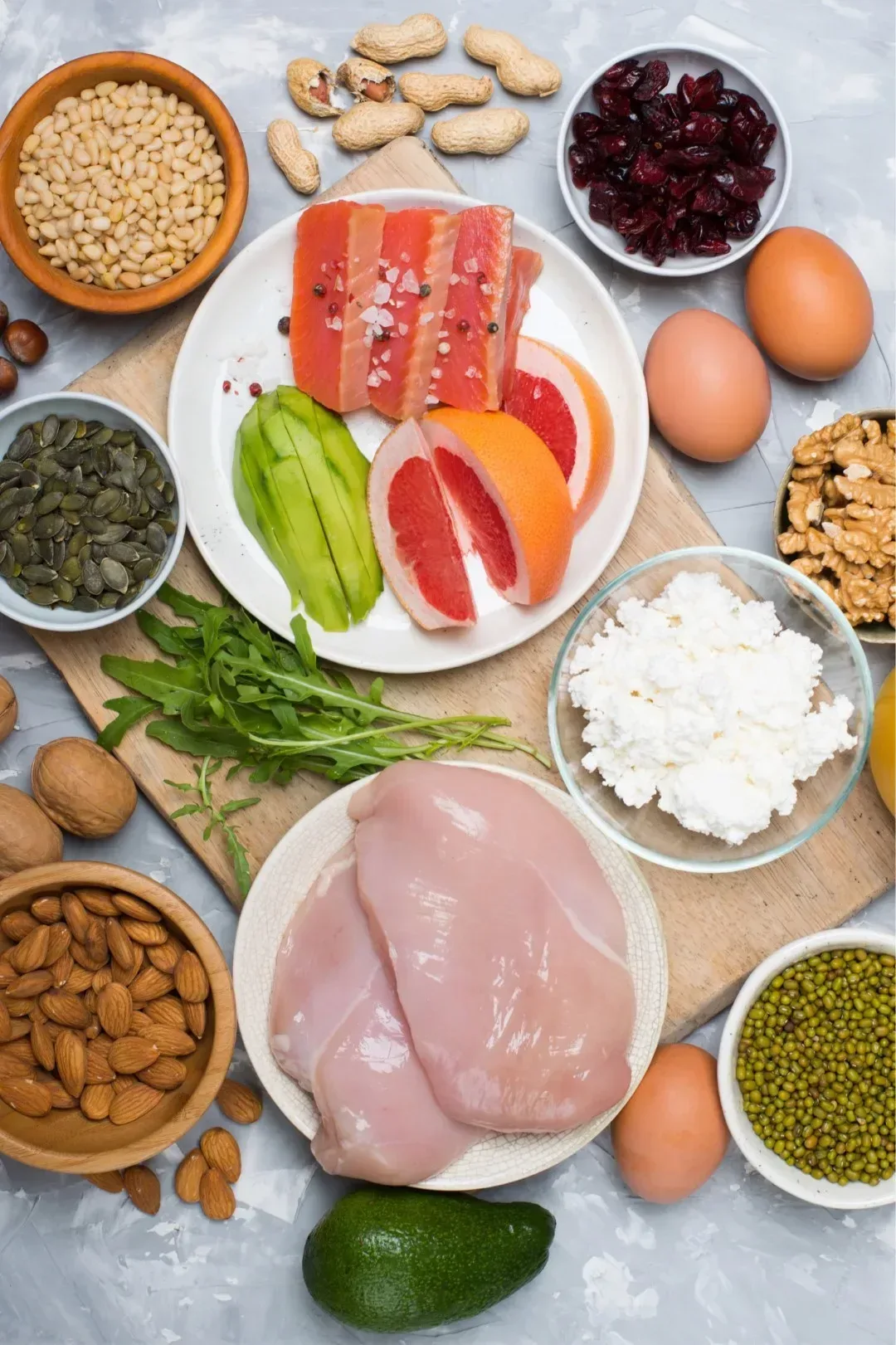
Protein is crucial to good health. Proteins are made up of amino acids that join together to form long chains. There are 20 amino acids that help form the thousands of different proteins in your body.
Here are 9 important functions of protein in your body.
-
Growth and Maintenance
Protein is required for the growth and maintenance of tissues. Your body’s protein
needs are dependent upon your health and activity level.
-
Causes Biochemical Reactions
Enzymes are proteins that aid the thousands of biochemical reactions that take place
within and outside of your cells. Bodily functions that depend on enzymes include: digestion, energy production, blood clotting, muscle contraction. Lack or improper function of these enzymes can result in disease.
3. Acts as a Messenger
Some proteins are hormones, which are chemical messengers that aid communication between your cells, tissues and organs. Amino acid chains of various lengths form protein and peptides, which make up several of your body’s hormones and transmit information.
-
Provides Structure
Some proteins are fibrous and provide cells and tissues with stiffness and rigidity.
These proteins include keratin, collagen and elastin, which help form the connective framework of certain structures in your body.
Proteins play a vital role in regulating the concentrations of acids and bases in your
blood and other bodily fluids. They act as a buffer system, helping your body maintain proper pH values of the blood.
Proteins in your blood maintain the fluid balance between your blood and the
surrounding tissues. If you don’t eat enough protein, your levels of albumin and globulin eventually decrease.
-
Bolsters Immune Health
Proteins form antibodies to protect your body from foreign invaders, such as disease-
causing bacteria and viruses. As a result, your body develops immunity against the diseases to which it is exposed.
-
Transports and Stores Nutrients
Some proteins transport nutrients throughout your entire body, while others store
them. The substances transported by proteins include nutrients like vitamins or minerals, blood sugar, cholesterol and oxygen.
-
Provides Energy
Proteins can supply your body with energy. Protein contains four calories per gram,
the same amount of energy that carbs provide. Fats supply the most energy, at nine calories per gram. Carbs and fats are much better suited for providing energy, they’re metabolized more efficiently compared to protein.
Sources: Health Line



















Related Articles

What Is Intuitive Eating? 10 Principles for a Healthy Relationship with Food
Intuitive eating is an approach to food that emphasises reconnecting with the...

Sleep, Diet and Exercise Can Extend Your Lifespan
Combining small improvements across several areas of well-being could lead to greater...

Food Trends for 2026 – Taste and Health
In 2026, food is no longer only about taste or culinary fashion...



Mindful Eating – Turning Meals into a Ritual of Balance and Presence
In a world where rushing, stress and multitasking dominate every day, our...

Leave a comment