

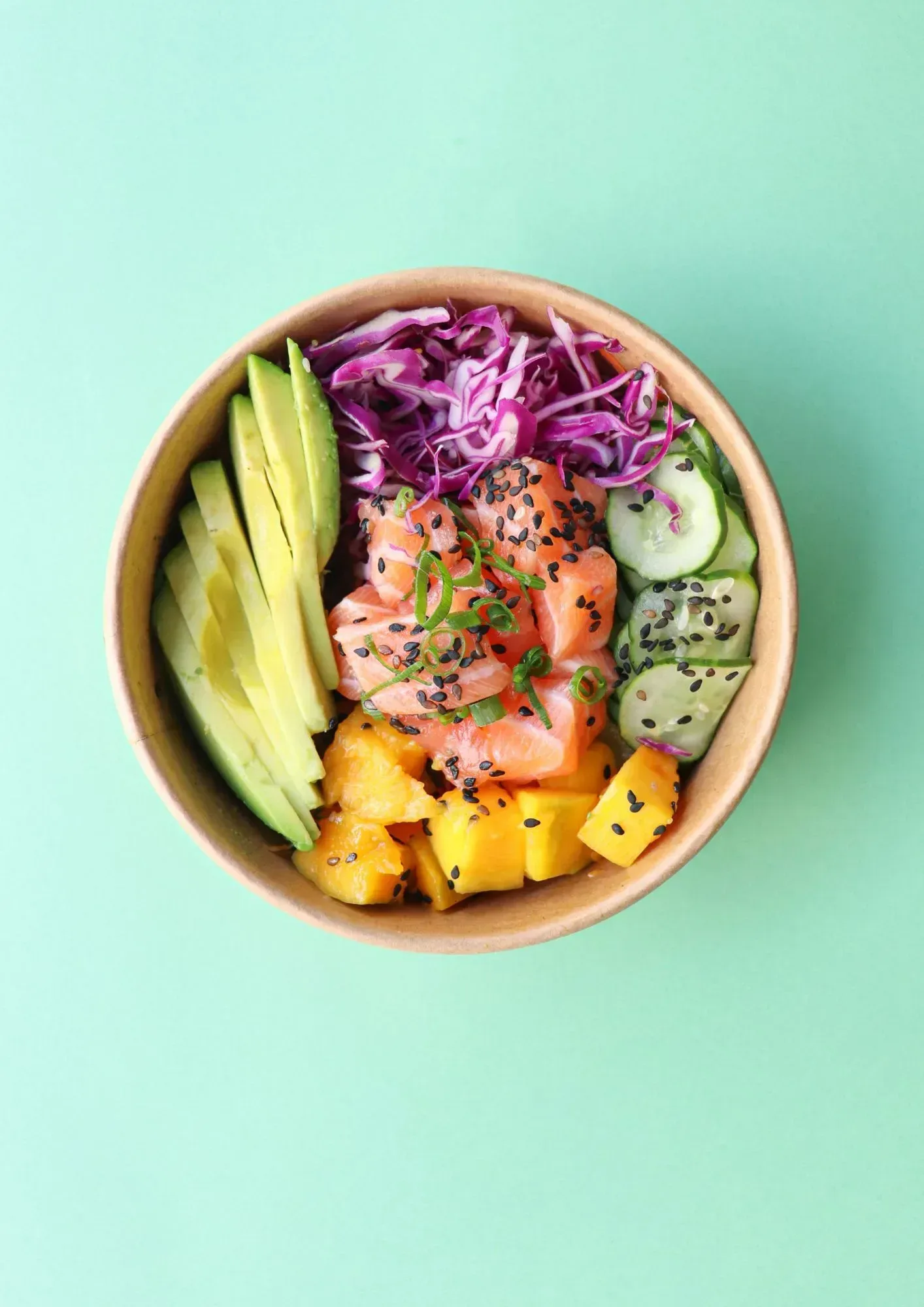
Raw, vegetarian, and/or vegan-friendly products are very popular, given these three diets are becoming more mainstream. Here we break down the differences between the three diets and analyse their uptake.
VEGETARIAN
Perhaps you’re already aware of the idea of a vegetarian diet. People following this eating habit do not eat any type of meat, including fish, beef, pork, and poultry. Though they still consume animal products, such as eggs, cheese, milk, yogurt, and honey.
There are several reasons why people follow a meat-free lifestyle. A key driver is the health benefits they could get through eating no, or less meat. Vegetarians aren't only driven by animal welfare, many people move to a vegetarian diet to lose weight and to become healthier. Another reason is the environment. As it requires more resources to produce meat than vegetables, more and more people favor consuming more greens over animal products.
VEGAN
Vegan meals are similar to vegetarian meals. The difference is they go further than just meat – excluding all products derived from any animal or insect. People on a vegan diet eat no meat, eggs, honey, milk, or other dairy products.
While it sounds difficult to maintain, this lifestyle choice is actually getting more popular. Some people are always on the lookout for vegan-friendly products, resulting in a rapid increase in demand for such goods.
A vegan diet includes all kinds of fruits and vegetables, grains, legumes, nuts, fermented products, and soy-based foods. Because of the restriction of such common ingredients (like eggs and dairy), cafés, restaurants and bakeries that cater to vegans (and promote the fact) have gained huge popularity. Especially when these producers create versions of foods that vegans have typically missed out on.
RAW
Unlike the vegetarian and vegan approaches, the raw food diet doesn’t require a person to eliminate the intake of animal-derived products, although given the lack of cooking it is most common that raw food will also be vegan friendly. A “raw foodist” could choose to eat meat or fish so long as they are unprocessed and cooked at temperatures not greater than 118 degrees Fahrenheit. The idea is that following a raw food eating habit is a good way to detoxify your system. This is because when the food is uncooked, your body will absorb all the enzymes, vitamins, and nutrients better.
Raw foodists have even claimed it is much healthier than a normal diet, given that it’s more of a plant-based food eating with little to no amounts of heavily-processed foods. Some examples of raw foods include fresh fruits and vegetables, beans, seeds, and nuts.
Sources: Ordermentum



















Related Articles

What Is Intuitive Eating? 10 Principles for a Healthy Relationship with Food
Intuitive eating is an approach to food that emphasises reconnecting with the...

Sleep, Diet and Exercise Can Extend Your Lifespan
Combining small improvements across several areas of well-being could lead to greater...

Food Trends for 2026 – Taste and Health
In 2026, food is no longer only about taste or culinary fashion...



Mindful Eating – Turning Meals into a Ritual of Balance and Presence
In a world where rushing, stress and multitasking dominate every day, our...

Leave a comment