

The 7 Types of Beauty – A Holistic Perspective
 Mihaela FitzpatrickOctober 27, 20253 Mins read
Redefining beauty beyond appearances
Beauty, a concept as old as civilisation itself, has long been associated with physical attractiveness. Yet a deeper understanding shows us that beauty is far broader and more complex. This exploration brings to the fore a framework defining the seven types of beauty, going beyond the superficial to embrace a holistic perspective that resonates with the human spirit. Beauty is not only about visual appearance, but also about the essence of a being, creativity, intellect and connection with something greater than ourselves. The aim of this analysis is to offer a new vision of beauty, inviting the reader to recognise and appreciate the diversity of its forms, both in themselves and in the world around them.
The seven types of beauty
Below are the fundamental elements of the seven types of beauty, offering a richer and more nuanced understanding of this profound concept:
Physical beauty
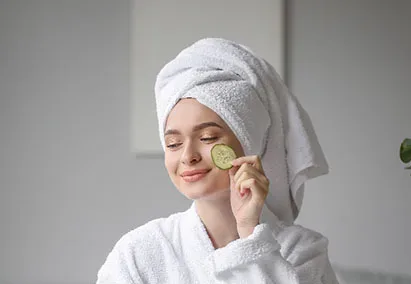
This is the most commonly encountered type of beauty, which includes aspects such as facial symmetry, skin quality, body shape and general appearance. It is often the first thing we notice about a person and is influenced by genetic factors, health and personal care. Although subjective and culturally shaped, physical beauty plays an important role in first impressions.
Emotional beauty
This type of beauty is expressed through warmth, empathy and kindness. People who radiate emotional beauty have a genuine concern for others and make those around them feel valued and supported. Their actions are guided by compassion and authentic understanding.
Intellectual beauty
The beauty of the mind includes intelligence, curiosity, critical thinking and the ability to hold deep conversations. Those who possess this type of beauty are intellectually stimulating, insightful and always eager for knowledge. They are often critical thinkers and lifelong learners.
Creative beauty
This is expressed through art in all its forms – music, painting, writing, dance and much more. Creative beauty manifests itself through originality, imagination and the ability to turn ideas into tangible, inspiring creations. It is often associated with innovation and authentic expression.
Moral beauty
This reflects the beauty of character and includes values such as honesty, integrity, courage and a strong sense of ethics. Moral beauty shines through actions that respect the principles of justice, fairness and compassion, inspiring trust and respect.
Natural beauty
This refers to the beauty of the natural world – landscapes, plants, animals and the elements of nature. Natural beauty inspires awe and gratitude, reminding us of the deep connection between all forms of life. It is often associated with calm, harmony and inner peace.
Spiritual beauty
This transcends the material world and includes a feeling of inner peace, connection to a higher purpose and a profound sense of existence. Spiritual beauty radiates from within and reflects a deep understanding of our own being and our place in the universe. It manifests itself through wisdom, compassion and genuine serenity.
Why it matters to understand the seven types of beauty
Recognising these seven types of beauty helps us move beyond the narrow and often unrealistic standards attached to physical appearance. This perspective promotes self-acceptance and appreciation of human diversity. Cultivating these forms of beauty allows us to live more fulfilled and conscious lives, developing a holistic vision of ourselves and of the world.
How we can cultivate the seven types of beauty in our lives
Although genetics and external factors influence physical beauty, the other six types can be cultivated through conscious effort and intention.
- Emotional beauty: practise empathy, active listening and gratitude.
- Intellectual beauty: read constantly, hold stimulating conversations and seek continuous learning.
- Creative beauty: explore art, experiment with different forms of expression and let your imagination run free.
- Moral beauty: act with integrity, stand up for what is right and respect others.
- Natural beauty: spend time in nature, observe and protect the environment.
- Spiritual beauty: practise mindfulness, introspection and search for meaning in life.
The interconnection of the types of beauty
These seven types of beauty are not isolated; they complement and amplify one another. A person with strong moral beauty may also radiate deep emotional warmth, inspiring others through their actions. The more we cultivate these facets, the more our lives become full of meaning, more vibrant and more harmonious.
Source: iere.org – “What Are the 7 Types of Beauty?”. (https://iere.org/what-are-the-7-types-of-beauty/?utm_source=chatgpt.com#Why_is_physical_beauty_often_prioritized_over_other_types_of_beauty)















Related Articles

Posture — the New Natural Facelift and the Longevity Trend of 2025
In a world obsessed with quick beauty fixes, a simple but revolutionary...

How to Update Your Wardrobe for Spring
Spring brings with it not only a change in the landscape, but...

How to Give Yourself a Beautiful Pedicure at Home
Foot care is often neglected in our beauty routine, but it is...


How to Care for Your Skin in the Cold Season
With the arrival of the cold season, changes in temperature can have...

Leave a comment