

Swimming and Aquatic Exercise – Therapy That Heals Mind and Body
 Mihaela FitzpatrickAugust 29, 20253 Mins read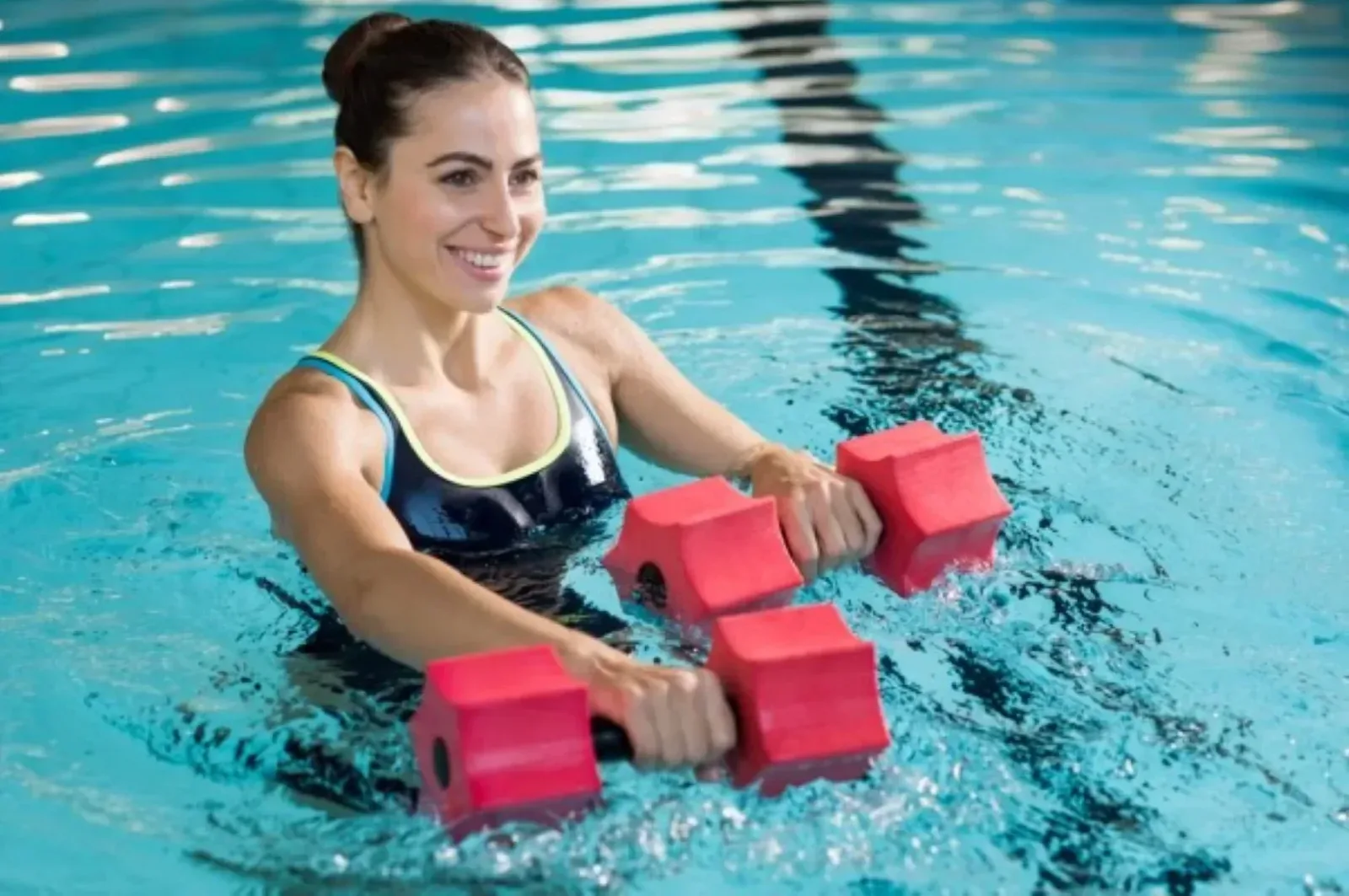
When we think of sport, the image that often comes to mind is a crowded gym, treadmill running sessions or strength training. But there is a quieter, more fluid and more joint-friendly form of movement: aquatic exercise. From classic swimming to water aerobics or aqua fitness, these activities combine movement with relaxation, offering benefits for both the body and mental health.
A study published in the prestigious journal Frontiers in Psychiatry analysed in detail how physical activity carried out in water influences symptoms of anxiety and depression. The conclusions are extremely promising: water can become a genuine natural medicine for the mind when it is used as a training environment.
Why water? A unique environment for balance and calm
Water has always been associated with purification and relaxation. Whether we are talking about a warm bath after a tiring day or a walk by the sea, contact with water has a calming, comforting effect. In the case of aquatic exercise, this effect is doubled by movement.
In water, our body is lighter, because buoyancy reduces the impact on joints and bones. This makes exercise far gentler and more accessible for people of all ages, including those suffering from joint pain, musculoskeletal conditions or recovering from injury. But the benefits do not stop at the physical level. Water becomes a safe, welcoming space in which the mind quietens, breathing settles and stress seems to dissolve along with the ripples.
What does the scientific research show?
The study mentioned is a meta-analysis — that is, research that brings together and analyses the results of several existing studies in order to reach a more solid general conclusion. In total, 18 clinical studies with over 423 participants who practised various forms of aquatic exercise, including swimming and aqua fitness, were evaluated.
The results were clear: participants who took part in physical activity in water experienced a significant reduction in symptoms of anxiety and depression. In other words, they did not just feel better in the moment; they experienced real, measurable improvements in their emotional state.
An interesting detail of the study is that not all forms of aquatic exercise had the same effect:
- Water aerobics and gentle aqua fitness proved to be the most effective, having an even greater impact than classic swimming. Probably because they involve music, rhythm, more varied movements and a group atmosphere.
- Swimming remains beneficial, but its effect on anxiety was somewhat more moderate. Its major advantage, however, is versatility: it can be practised alone, whenever and wherever you have access to a pool.
- Exercise intensity matters: surprisingly, low-intensity exercise had the strongest positive effects on mental health. This shows us that exhausting workouts are not needed to achieve real results. Sometimes gentleness of movement has the greatest healing power.
How do we explain these results?
There are several mechanisms through which aquatic exercise improves psychological well-being:
- Reducing stress through a sense of calm – the even pressure of water on the body can induce an effect similar to hug therapy, offering comfort and security.
- Endorphins and serotonin – like any physical activity, exercise in water stimulates the release of happiness hormones, but the effect is amplified by the relaxing environment.
- Breathing rhythm – swimming and aquatic movements require controlled, deep breathing, which resembles mindfulness or meditation exercises.
- Socialising and connection – many aqua fitness classes take place in groups, which adds motivation and emotional support.
- Accessibility for all ages – the fact that the movement is gentler on the joints makes it ideal for pregnant women, people in recovery and women going through menopause.
Swimming as therapy for women
For women seeking balance between career, personal life and health, swimming and aqua fitness can become a genuine refuge. They are not just forms of movement, but rituals of self-care.
- During pregnancy, exercise in water reduces pressure on the spine and joints while maintaining muscle tone.
- After birth, it helps with physical and emotional recovery, without the risk of overexertion.
- During menopause, water becomes a gentle ally against joint stiffness and the hormonal changes that can affect psychological well-being.
Aquatic exercise therefore adapts to every stage of life, being accessible, effective and, above all, enjoyable.
How can you start?
If you have not tried it before, here are a few simple ideas:
- Start with short sessions of 20–30 minutes, either gentle swimming or aqua jogging.
- Join an aqua fitness class – the music, the energy of the group and the varied exercises will make the experience more fun.
- Experiment with different intensities – alternate more energetic movements with relaxing ones.
- Be consistent – 2–3 sessions a week are enough to notice real changes in your mood.
- Use the water as a space for meditation – focus on your breathing and the sensation of floating, to gain mindfulness benefits too.
Conclusion
Swimming and aquatic exercise are more than sports. They are accessible, gentle and effective forms of therapy for mental and physical health. Studies clearly show that it is not only the body that gains, but also the mind — anxiety decreases, mood improves and general well-being increases.
In a rushed and stressful world, water reminds us of the essentials: balance, calm and the simple joy of moving. Whatever her age or fitness level, every woman can find a source of health and harmony in the pool.
Source: Frontiers in Psychiatry – “The Effectiveness of Aquatic Exercise on Anxiety and Depression Symptoms: A Systematic Review and Meta-Analysis”, 2022 (https://www.frontiersin.org/journals/psychiatry/articles/10.3389/fpsyt.2022.1051551/full).
















Related Articles
The AI-Powered Fitness Revolution
Once limited to bulky treadmills and laminated workout plans, the fitness industry...
5 Benefits of Resistance Bands That Will Turn You from Sceptic to Believer
After training at home for several months during the coronavirus pandemic, we...

Walking: Slim Your Waist and Improve Your Health
Physical activity does not have to be complicated. A simple habit, such...



Fitness: The Main Trends for 2026
For the 20th consecutive year, the American College of Sports Medicine (ACSM)...

Leave a comment