

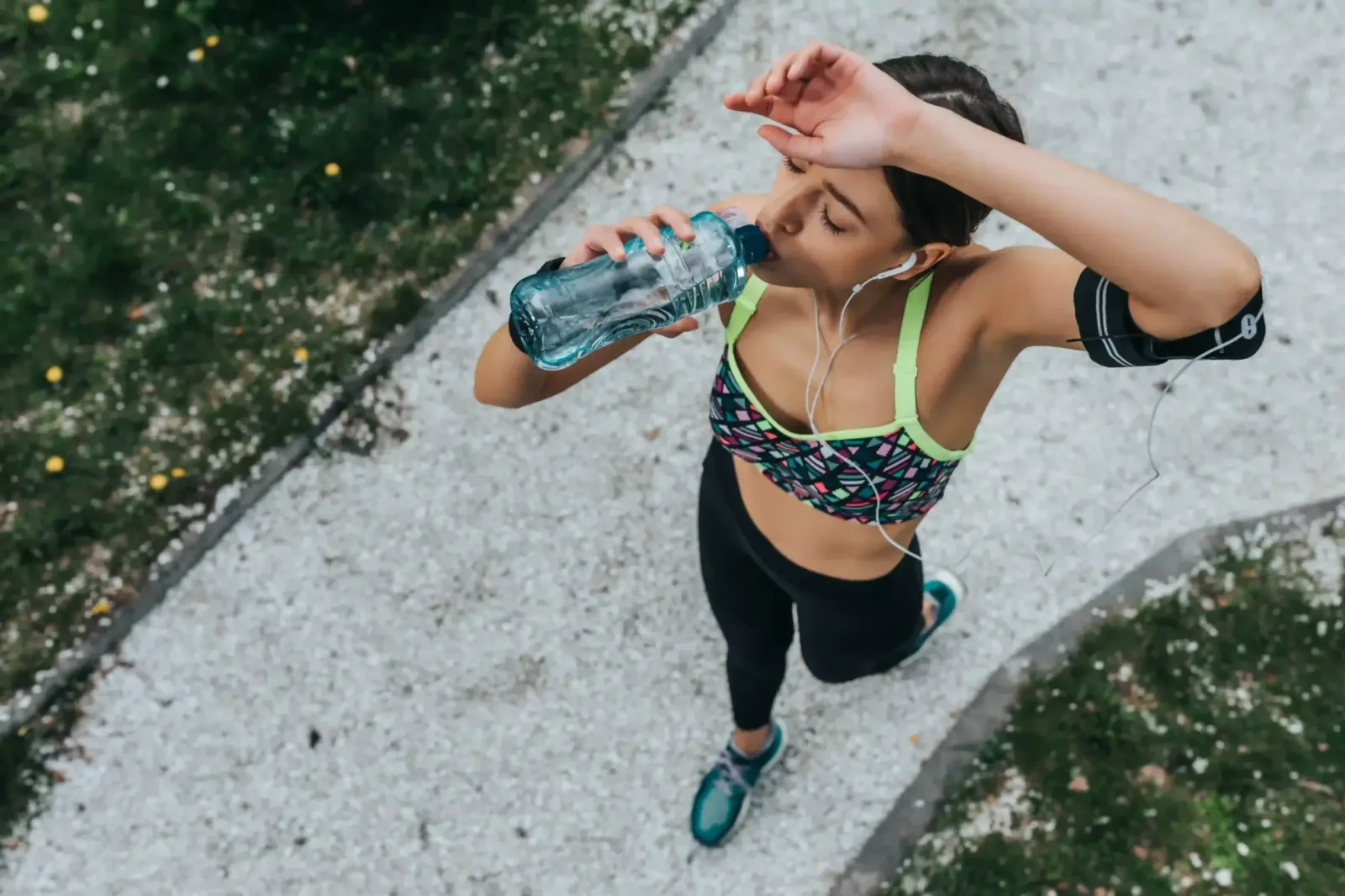
On scorching summer days, staying properly hydrated is essential for your well-being and health. Adequate hydration not only keeps you and your body functioning at their best, but also helps you enjoy activities such as fitness. To understand better the importance of hydration and how you can stay cool and full of energy on hot days, let us explore a few valuable tips in detail.
What does hydration mean and how do you understand it?
Hydration is the vital process by which you supply your body with the fluids it needs to function efficiently. This does not just mean drinking water when you feel thirsty, but also anticipating your body’s needs according to your surroundings and your activities.
A crucial aspect of understanding hydration is knowing the difference between thirst and dehydration. Thirst is an early sign that your body needs water, and ignoring this signal can lead to dehydration. For this reason, it is essential not to wait until you feel thirsty before drinking water.
It is also important to adapt your water intake to your individual needs. This can vary according to your weight, your activity level and the weather conditions.
Here is a video to help you understand hydration better.
How do you know if you are dehydrated?
The symptoms of dehydration can vary according to severity and may include:
- Excessive thirst: This is the most obvious sign of dehydration. When you feel thirsty, your body is telling you to give it fluids.
- Small amounts of urine, or dark-coloured urine: The colour of your urine can offer important clues about your hydration status. Light-coloured urine is a good sign, while dark urine can indicate dehydration.
- Tiredness and weakness: Dehydration can lead to a drop in your energy and concentration.
- Dizziness and confusion: In severe cases, dehydration can affect cognitive function and lead to dizziness or confusion.
- Muscle cramps: The electrolyte imbalance caused by dehydration can cause painful muscle cramps.
The best ways to hydrate
To stay hydrated effectively, you need to adopt several strategies:
- Drinking water regularly: Water remains the best source of hydration. It is advisable to drink water regularly throughout the day, even before you feel thirsty.
- Electrolyte drinks: For prolonged periods of physical effort on hot days, electrolyte drinks can help replace lost salts and minerals. These can be particularly useful during intense training or sporting competitions.
- Eating water-rich fruit and vegetables: Watermelon, cucumbers, tomatoes, melon and oranges are excellent sources of hydration, as they contain significant amounts of water.
- Unsweetened teas and fruit infusions: These can offer variety and hydration without adding extra calories. Herbal teas, such as mint or ginger tea, can also be good options.
Foods that contribute to hydration
Hydration is not only about drinks; food can also play a significant role in ensuring adequate hydration. Vegetables and fruit with a high water content, such as cucumbers, peppers, celery, melon and tomatoes, are excellent options. These not only provide water, but also essential nutrients such as vitamins and minerals.
Exercise and hydration
Physical exercise can lead to significant fluid loss through sweating. It is essential to drink water during and after workouts in order to make up for these losses. If your training is intense or long-lasting on hot days, consider electrolyte drinks to rebalance your salt and mineral levels.
How can you put these tips into practice?
- Set yourself a drinking schedule: Set alarms or notifications on your phone to remind you to drink water at regular intervals.
- Use a water bottle: Carry a reusable water bottle with you to make it easier to drink water during the day.
- Monitor the colour of your urine: Pay attention to the colour of your urine to assess your hydration status. Light-coloured urine is a good sign.
- Plan your food intake: Include water-rich fruit and vegetables in your diet and avoid salty or processed foods that can lead to dehydration.
- Turn to hydrating drinks according to your needs: If you are involved in intense physical activity or sweating heavily, opt for electrolyte drinks to maintain your mineral balance.
- Listen to your body: Every person is different, so it is important to pay attention to your body’s signals. If you feel thirsty, respond immediately with proper hydration.
Act now for your health
Right now is the moment to take a sip of water and think about how you can integrate these tips into your daily routine. Hydration is an act of care for your own health. Do not forget to always listen to your body’s needs and pay attention to the signals it sends you. You can start with small steps and focus on improving your hydration habits. Your health deserves it!


















Related Articles

What Is Intuitive Eating? 10 Principles for a Healthy Relationship with Food
Intuitive eating is an approach to food that emphasises reconnecting with the...

Sleep, Diet and Exercise Can Extend Your Lifespan
Combining small improvements across several areas of well-being could lead to greater...

Food Trends for 2026 – Taste and Health
In 2026, food is no longer only about taste or culinary fashion...



Mindful Eating – Turning Meals into a Ritual of Balance and Presence
In a world where rushing, stress and multitasking dominate every day, our...

Leave a comment