
How Beneficial Is Drinking Coffee Before a Workout?
 Mihaela FitzpatrickFebruary 27, 20244 Mins read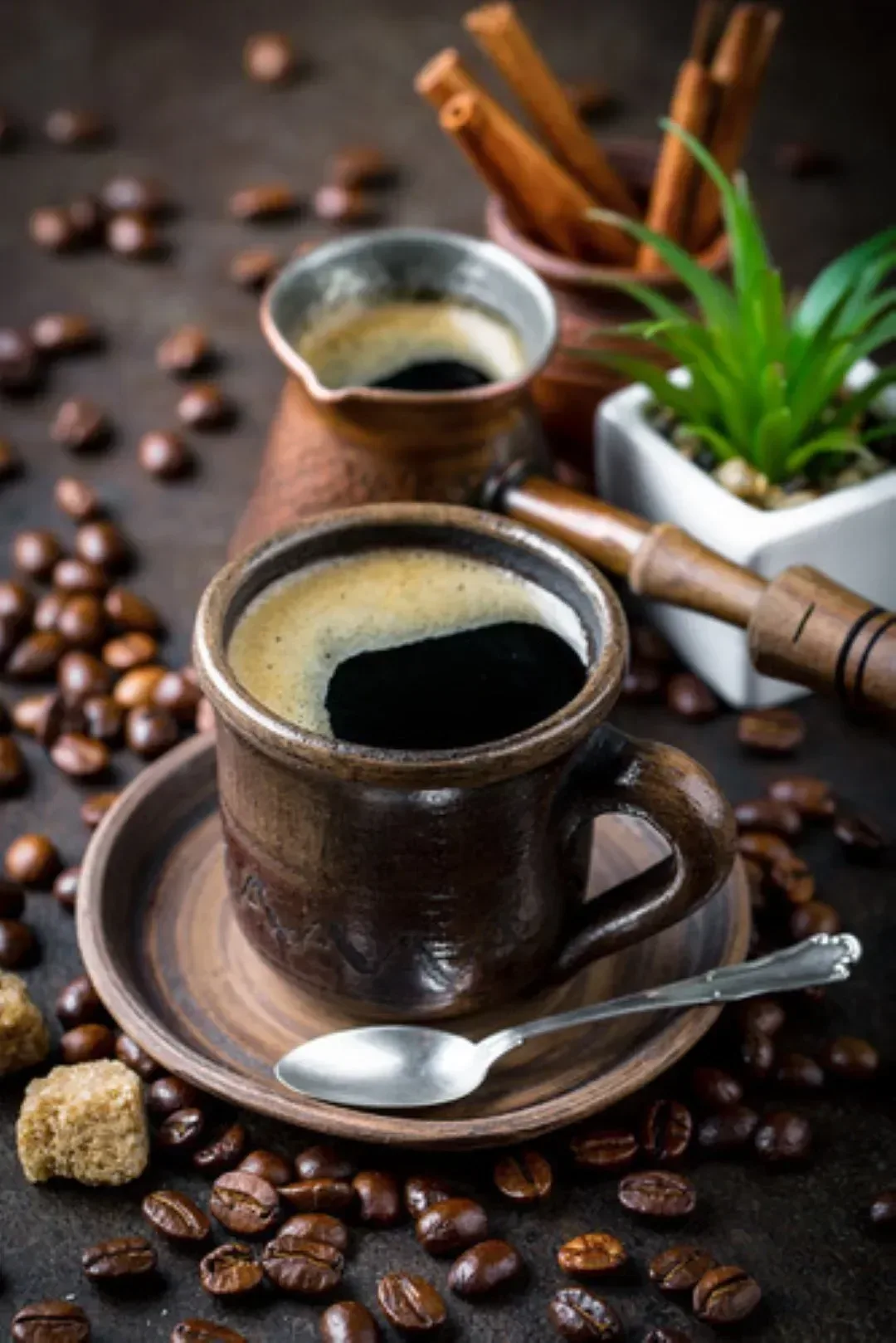
Looking for a source of energy before your workout? Drinking coffee before an exercise session can be one of the easiest ways to improve your performance.
Coffee is one of the most widely consumed drinks in the world. Naturally rich in caffeine and antioxidants, it is well known as an effective aid or performance enhancer. Caffeine is certainly probably the most researched supplement for improving performance across a wide range of sports. But should you drink coffee before training?
The most common dietary source of caffeine is coffee, but it is also present in tea, cola drinks, energy drinks, chocolate and sports supplements. The main benefits of caffeine for exercise performance appear to be due to its effects on the central nervous system – it exerts a direct stimulating effect on the muscles, while reducing the perception of how much effort is being made.
Caffeine taken before and during exercise can reduce feelings of fatigue, improve concentration and alertness, and allow you to exercise for longer. In addition, when it comes to sporting performance, caffeine can improve muscular strength and power, increase aerobic endurance and improve skills such as sprinting, jumping and throwing.
How much caffeine is enough?
A great deal of research has focused on the dose-response relationship between caffeine intake and exercise performance. While higher doses (5–9 mg/kg body mass) offer performance benefits, they also increase the risk of side effects such as raised heart rate, anxiety, sleep problems and digestive upsets.
Fortunately, more recent research suggests that lower doses of around 3 mg/kg, or around 200 mg, still produce performance benefits with few or no side effects. The International Society of Sports Nutrition in the UK suggests a dose of between 3 and 6 mg/kg body mass for sporting performance.
There is no universal solution, however. Our response to caffeine is highly variable, which is thought to be linked to the speed at which our body metabolises it. If you are not used to consuming caffeine, then it is worth starting with the lowest effective dose of 1.5 mg/kg, or around 100 mg, and increasing gradually as needed.
How should you take caffeine?
Caffeine is absorbed rapidly, with peak concentrations between 30 and 120 minutes. While many people take caffeine 30–60 minutes before training, you will probably notice the benefits earlier. In fact, caffeine appears to be most beneficial during periods when fatigue becomes more pronounced, such as during endurance training or high-intensity activities.
This means that for some people, taking caffeine during exercise (in the middle or later stages) can be more beneficial than taking it beforehand. The optimal timing for caffeine intake can also depend on the source. For example, caffeine from chewing gum is absorbed rapidly, which makes it useful for a quick energy boost. However, there are many other ways to consume caffeine besides coffee. It is available in capsules, sports drinks, tablets, gels and bars. Most energy gels contain around 75–100 mg per sachet.
Caffeine and weight loss
So what about caffeine and weight loss? For your body composition, caffeine can help burn more calories by raising body temperature, speeding up metabolism and increasing fat oxidation, helping you use more fatty acids as fuel. One study found an increase of up to 29% in fat oxidation in lean subjects and an increase of 10% in women with obesity. However, while increased fatty acid oxidation sounds great, it is important to note that your total daily calorie balance is the key.
Does caffeine have a negative impact on sleep?
Caffeine can affect the onset and quality of sleep, even at low levels of consumption. While the average half-life of caffeine is generally reported to be between four and six hours — in other words, around half the caffeine remains in your blood after this period — this varies between individuals and can range from 90 minutes to 10 hours in adults. If you have difficulty getting quality sleep, consider limiting your caffeine intake to the morning only.
Drinking coffee before training: performance benefits
Recent studies show that there are no differences in performance response between non-users and users of caffeine – withdrawing athletes from caffeine does not increase the net performance improvement achieved with caffeine supplementation. However, if you are not used to consuming caffeine, it is important to test it before a competition – during training sessions.
The health benefits of drinking coffee
There is more than caffeine in coffee. One of the reasons coffee has unique health benefits is that it has an extremely high content of antioxidants, including polyphenols such as chlorogenic acid. Moderate coffee consumption (up to three or four cups) appears to protect against a number of chronic diseases.
Several studies have shown that regular coffee consumption can reduce the risk of developing type 2 diabetes by more than 50%; other studies suggest that regular lifelong coffee consumption reduces the risk of developing Alzheimer’s disease, Parkinson’s disease and depression.
While caffeine can raise blood pressure, some research indicates that coffee consumption may be linked to a lower risk of heart disease and stroke. As with everything else, do not overdo it! Even one or two cups a day have been shown to bring health benefits.
Caffeine table: how much caffeine is in tea and coffee?
The caffeine content of drinks such as tea, coffee and hot chocolate can vary and will depend on the brand, brewing method and size of the drink, but here is a general guide.
Instant coffee: 250 ml/1 cup = 12–169 mg caffeine
Brewed coffee: 250 ml/1 cup = 40–110 mg caffeine
Espresso: standard serving = 107 mg caffeine
Black tea: 250 ml/1 cup = 25–110 mg caffeine
Green tea: 250 ml/1 cup = 30–50 mg caffeine
Iced tea: 600 ml bottle = 20–40 mg caffeine
Frappuccino: 375 ml cup = 90 mg caffeine
Hot chocolate: 250 ml/1 cup = 5–10 mg caffeine
Energy drink: 500 ml can = 160 mg caffeine

















Related Articles
The AI-Powered Fitness Revolution
Once limited to bulky treadmills and laminated workout plans, the fitness industry...

What Is Intuitive Eating? 10 Principles for a Healthy Relationship with Food
Intuitive eating is an approach to food that emphasises reconnecting with the...
5 Benefits of Resistance Bands That Will Turn You from Sceptic to Believer
After training at home for several months during the coronavirus pandemic, we...



Walking: Slim Your Waist and Improve Your Health
Physical activity does not have to be complicated. A simple habit, such...

Leave a comment